UEFA unveil new era for European internationals
UEFA are set to radically change international football from 2028-29, replacing the traditional home-and-away qualifiers with a Swiss-style league system for the Nations League and World Cup paths.
Posted Thursday, May 21, 2026 by goal
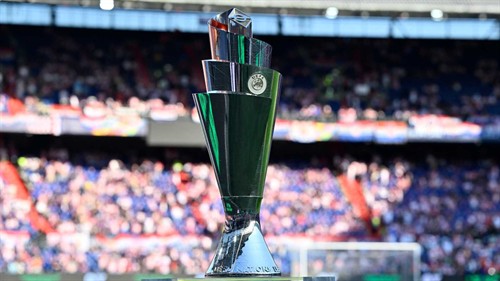
uefa nations league trophy
UEFA are preparing to radically overhaul the international football calendar from the 2028-29 season, replacing traditional qualifying stages with a Swiss-style league format. Mirroring the newly updated Champions League structure, European nations will play fewer double-headers and face a wider variety of opponents in a tiered system designed to heighten competition and eliminate repetitive fixtures.
Nations League transition to Swiss system
UEFA has decided to significantly alter the national team calendar following the conclusion of the 2028 European Championship. Under the current format, the Nations League features four tiers where nations are drawn into small groups of four, playing every opponent both home and away. However, this will shift to three leagues, each containing 18 teams. These divisions will be split into three groups of six, where nations will play six matches against five different opponents. Instead of the traditional double-headers, countries will face opponents from different seeding pots either home or away, maintaining just one two-legged tie against a team from their own pot.
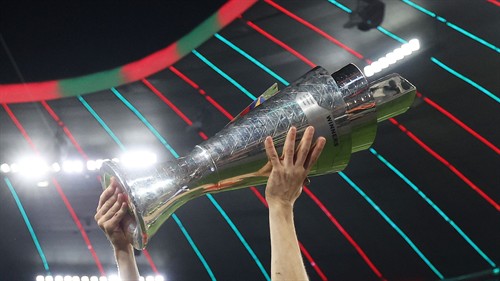
Portugal v Spain - UEFA Nations League 2025 Final
Champions League format applied to qualifiers
The sweeping reforms are not restricted to the Nations League. Historically, European qualifiers for major tournaments like the World Cup have relied on groups of five or six teams battling each other both home and away over eight to 10 matches. The new setup, however, will adopt a divisional structure divided into two tiers: one featuring the top 36 ranked nations, and a second league accommodating the remaining 18 or 19 countries. The top league will consist of three groups of 12 teams. Mirroring the modern club competitions, each nation will play six matches against six different opponents, drawing two teams from each of the three seeding pots. This marks a massive departure from the current, repetitive group stages.
Maintaining the knockout drama and play-offs
While the primary group phases are being revolutionised, UEFA are keen to preserve elements of the current system that have proven successful. The promotion and relegation play-offs will remain intact, ensuring a competitive bridge between the new leagues. The second-tier league will utilise three groups of six teams, or one of seven, to keep all member associations active. Crucially, the top-ranked teams in the top league will earn direct qualification to final tournaments, whilst the remaining spots will be determined through a high-stakes play-off system. This inclusive pathway guarantees that lower-ranked sides still retain a mathematical chance of reaching major international stages.
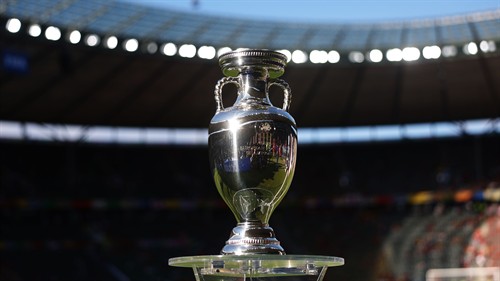
Spain v England: Final - UEFA EURO 2024
What is next for European national teams?
Ahead of the 2028-29 implementation, national associations must now prepare for a transitional period. UEFA are expected to finalise scheduling details and broadcast packages over the coming months. Fans and players alike will be watching closely to see how this heavy schedule impacts domestic and international football dynamics moving forward.

- Daily
- Weekly
- Monthly
Photos
More»

Arsenal's World Cup minutes give Arteta injury headache
Wednesday July 22 2026
Your Say